
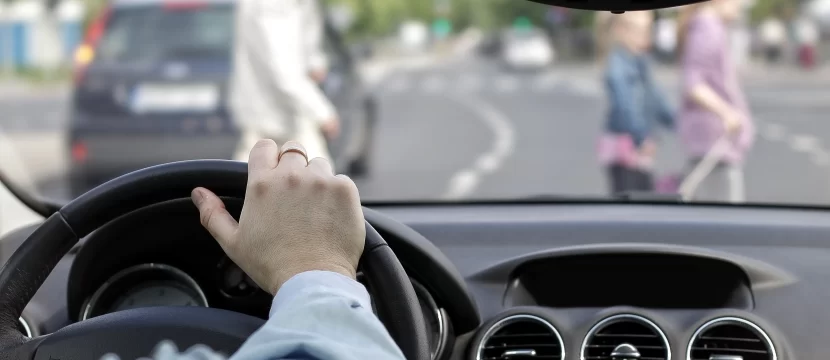
California has always been at the forefront of prioritizing pedestrian safety, and the state recently introduced new laws that will further safeguard people walking on its streets. These new laws, which took effect in 2022, aim to reduce the number of pedestrian accidents and fatalities on California’s roads. In this blog post, we will explore the specifics of California’s new laws to protect pedestrians
Crosswalk Countdown Timers
California law now requires cities to install countdown timers at crosswalks. These timers display the number of seconds remaining for pedestrians to safely cross the street before the light changes. The countdown timers aim to reduce accidents by providing pedestrians with a clear indication of the time they have to cross the street.
Reduced Speed Limits
In 2022, California lowered speed limits in residential areas from 25 mph to 15 mph. The new speed limit aims to reduce the severity of accidents and make it easier for pedestrians to cross the street safely. Additionally, drivers who violate the new speed limits will face steeper fines and penalties.
Automated Speed Enforcement
California’s new laws allow cities to install automated speed enforcement cameras in school zones and other high-risk areas. These cameras can detect and photograph vehicles that exceed the posted speed limit. Violators will be issued a ticket, similar to a red-light camera ticket, in the mail.
Pedestrian Crossing Signals
California’s new laws now require that pedestrian crossing signals be timed to allow enough time for the elderly, disabled, and children to cross the street safely. Additionally, the signals will have a “leading pedestrian interval,” which will give pedestrians a few seconds to start crossing before cars are allowed to turn.
Electric Bicycles
Electric bicycles have gained popularity over the years, and California’s new laws reflect this trend. Previously, electric bicycles were not subject to the same regulations as traditional bicycles, but the new laws treat them similarly. Now, electric bicycles must be equipped with certain safety features, such as a headlamp, a taillight, and reflectors. Additionally, electric bicycle riders must follow the same rules of the road as traditional bicyclists.
Furthermore, these new laws demonstrate California’s commitment to creating a more sustainable and equitable transportation system. By encouraging more people to walk or bike instead of driving, the state can reduce traffic congestion, improve air quality, and promote healthier lifestyles.
It’s worth noting that these new laws are just a few of the many steps that California has taken to prioritize pedestrian safety. The state has invested in pedestrian infrastructure such as sidewalks, crosswalks, and bike lanes, and has also launched public education campaigns to promote safe walking and biking habits.
However, despite these efforts, pedestrian fatalities continue to be a significant problem in California. In 2021, there were 1,384 pedestrian deaths in the state, accounting for 27% of all traffic fatalities. While these new laws are a step in the right direction, there is still much work to be done to make California’s roads safer for pedestrians.
California’s new laws to protect pedestrians are an important development in improving road safety and promoting sustainable transportation. By prioritizing pedestrian safety, the state can create a more equitable and livable environment for all residents. While there is still much work to be done, these new laws demonstrate that California is committed to creating a safer, more sustainable, and more accessible transportation system for everyone.
As a personal injury law firm, we at Timothy J. Ryan are committed to helping victims of pedestrian accidents in California. With the introduction of California’s new laws to protect pedestrians, we are dedicated to staying up-to-date on the latest legal developments and using our expertise to help victims navigate the complexities of their cases.
Our team of experienced attorneys understands the devastating impact that pedestrian accidents can have on victims and their families. We provide compassionate support and guidance throughout the legal process, helping our clients recover the compensation they deserve for their injuries.
With our knowledge of California’s pedestrian safety laws and our experience in handling pedestrian accident cases, we are well-equipped to assist victims of pedestrian accidents in holding negligent drivers accountable for their actions. We can investigate the circumstances of the accident, gather evidence, and build a strong case on behalf of our clients.
At Timothy J. Ryan , we believe that everyone deserves justice and fair compensation for their injuries. We are committed to fighting for the rights of victims of pedestrian accidents and helping them recover the compensation they need to move forward with their lives.