
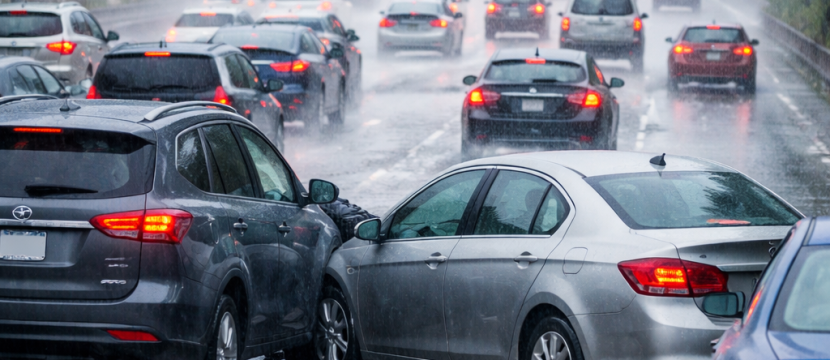
California’s freeways are some of the busiest in the nation, and when rain hits, traffic accidents increase dramatically. Wet freeway pileups are often caused by a combination of poor weather conditions, driver negligence, and the inherent dangers of high-speed driving on slick roads. In such accidents, determining fault is not always straightforward, as many factors play a role. Timothy J. Ryan, an experienced personal injury lawyer in Orange County, understands the complexities of these accidents. His firm is dedicated to helping victims of wet freeway pileups understand their rights and pursue compensation.




How Weather Conditions Impact Fault in Accidents:
Wet roads are notoriously dangerous, and California’s rainy season brings about many freeway accidents. Drivers are expected to adjust their behavior according to the weather, slowing down, increasing their following distance, and using their headlights during rain. However, in the event of a pileup, multiple parties may share fault, and the weather plays a crucial role in this determination.
When heavy rain or wet conditions contribute to accidents, it’s essential to understand how weather factors into the legal process. The law holds drivers responsible for maintaining control of their vehicles under all conditions. If someone hydroplanes or loses control on a wet freeway, the fact that the weather was poor does not automatically absolve them of responsibility. Drivers must be cautious and adjust their speed to the road conditions, meaning that speeding or tailgating in wet conditions can result in a determination of fault.
Hydroplaning and Its Role in Determining Fault:
Hydroplaning occurs when a vehicle’s tires lose contact with the road surface due to a layer of water. This can happen quickly and without warning, especially on highways and freeways where speeds are high. In California, hydroplaning accidents on wet freeways can lead to multi-vehicle collisions.
To determine fault in these cases, investigators and attorneys will often look at the driver’s behavior before the hydroplaning incident. Did the driver fail to slow down in the rain? Did they make abrupt movements or steer sharply, worsening the hydroplaning situation? These questions help to establish whether the driver acted negligently before the loss of control. For instance, if a driver was speeding and failed to account for the rain, they may be held liable for the collision.
Driver Behavior and Negligence in Wet Conditions:
In California, negligence is a key factor when determining fault in any type of accident, including those that happen on wet freeways. A driver’s behavior can significantly impact the outcome of an accident claim. Whether a driver was tailgating, failing to use their headlights, or ignoring weather-related speed limits, such behavior can be considered negligent.
If you are involved in a freeway accident on a rainy day, investigators will look closely at how the drivers involved were behaving before the collision occurred. Were they following the basic rules of the road? Were they acting recklessly? For example, a driver who tailgates another vehicle in wet conditions may be found negligent, as they failed to maintain a safe distance. The closer a vehicle is to another, the less time a driver has to react if the car in front of them suddenly slows down or stops.
Contributory Negligence and Comparative Fault in California:
California follows a comparative negligence rule when determining fault in accidents, including wet freeway pileups. This means that fault can be shared by multiple parties, and each party’s responsibility is assessed based on the degree of negligence they exhibited. If a driver is partially at fault but not entirely responsible, they may still be entitled to recover damages, but the amount will be reduced by their percentage of fault.
For example, if one driver was speeding in the rain and another driver was following too closely, both drivers could share responsibility for the accident. The court would determine the percentage of fault assigned to each driver, and this would affect how much compensation each driver can recover.
The Importance of Vehicle Maintenance in Wet Conditions:
In addition to driver behavior, vehicle maintenance plays a significant role in determining fault in wet freeway pileups. Vehicles that are not properly maintained, such as those with worn-out tires or faulty brakes, are more likely to be involved in accidents. If a vehicle fails to stop or loses control because of improper maintenance, the driver or vehicle owner could be held liable.
For instance, if a vehicle with worn tires hydroplanes and causes a pileup on a wet freeway, the driver may be partially at fault. However, if it’s determined that the tires were in poor condition and the driver had not maintained their vehicle properly, the manufacturer or even a maintenance service provider could also share liability.
How to Prove Fault in Wet Freeway Pileups:
Determining fault in wet freeway pileups is a complex process that involves investigating all the factors contributing to the crash. When multiple vehicles are involved, it becomes even more challenging to identify who is responsible. Factors like weather, driving speed, visibility, and road conditions all come into play.
One of the most critical aspects of proving fault is gathering evidence. Eyewitness accounts, traffic camera footage, police reports, and expert testimony are all crucial to establishing what happened during the accident. This is why it is essential to consult with an attorney who specializes in personal injury cases, especially in complicated freeway accidents caused by wet weather conditions.
The Role of Expert Witnesses in Accident Cases:
In complex wet freeway pileup cases, expert witnesses can play an essential role in helping determine fault. Experts in accident reconstruction, weather analysis, and vehicle maintenance may be called upon to provide testimony that supports one party’s claim. For example, an expert in weather conditions can analyze how the rain impacted road conditions, while an accident reconstruction expert can piece together how the vehicles collided.
In cases where a vehicle’s mechanical failure contributed to the accident, a mechanic or vehicle expert may be called in to explain how the malfunction occurred and whether it could have been prevented. Expert testimony helps provide clarity in cases where fault is not immediately clear and strengthens the case for compensation.
Legal Process for Wet Freeway Pileups in California:
If you’ve been involved in a wet freeway pileup, the legal process can be lengthy and complex. It’s important to understand that California law allows victims of accidents to pursue compensation for their injuries, but the process involves proving negligence and fault. Working with a knowledgeable personal injury attorney, like Timothy J. Ryan, can help you navigate the process effectively.
Your attorney will help gather evidence, consult with experts, negotiate with insurance companies, and, if necessary, represent you in court. They will work tirelessly to ensure that you receive fair compensation for your medical bills, lost wages, pain and suffering, and other damages resulting from the accident.
Wet freeway pileups in California are a serious concern, especially during the rainy season. Determining fault in these accidents involves considering various factors, including weather conditions, driver behavior, and vehicle maintenance. By understanding how fault is determined, you can better navigate the legal process if you are involved in such an accident. At Timothy J. Ryan’s firm, we are committed to helping victims of wet freeway pileups seek the compensation they deserve. Contact us today for a free consultation to discuss your case.