
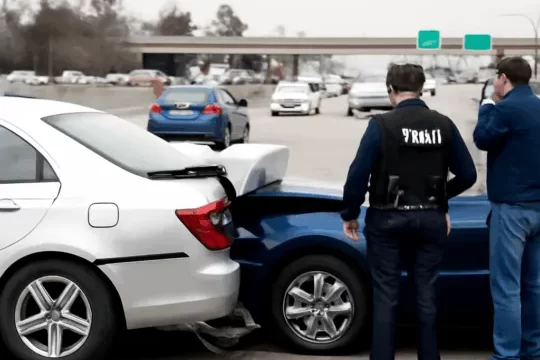
Thanksgiving is one of the busiest travel periods of the year, with millions of Americans hitting the roads to visit family and friends. Unfortunately, this increase in traffic leads to a rise in accidents, particularly on busy highways like I-405 in California. If you are involved in a crash during this hectic period, the steps you take immediately afterward are crucial in ensuring that you are protected both legally and financially. In this blog post, we outline the five critical steps to follow before insurers call to help you navigate the aftermath of an car accident and protect your rights.




1. Prioritize Safety and Seek Medical Attention
The safety of yourself and others involved in the accident is your first priority. Thanksgiving week often means heavy traffic, and crashes can result in injuries ranging from minor cuts and bruises to more serious conditions like whiplash, broken bones, or concussions. If you are able, move your vehicle to a safe location to avoid blocking traffic or putting yourself at further risk of another collision. Turn on your hazard lights to signal other drivers that there has been an accident.
Once you’re safely out of harm’s way, call 911 to report the accident and request emergency services. Even if you don’t feel injured immediately, it is essential to seek medical attention. Some injuries, especially soft tissue injuries like whiplash, may not show symptoms until hours or even days after the accident. Medical records of any treatment you receive will be important when making an insurance claim or if you decide to pursue legal action. Always err on the side of caution and have a medical professional evaluate your condition to ensure that no hidden injuries are overlooked.
2. Gather Information at the Scene
After ensuring everyone’s safety, your next step is to gather as much information as possible. The information you collect at the scene will be critical for both your insurance claim and any legal action you may choose to pursue. Begin by exchanging details with all involved drivers, including their names, addresses, phone numbers, driver’s license numbers, and insurance policy numbers. If there are any witnesses to the crash, collect their contact information as well. Their testimony could be crucial in corroborating your version of the events, particularly if there is any dispute over who was at fault.
Be sure to take clear and detailed photos of the accident scene, including the positions of the vehicles, any damage to the cars, and any visible injuries. Capture the surrounding environment, including traffic signs, road conditions, weather conditions, and skid marks. These photos can be helpful later when dealing with insurers or law enforcement. If there’s any damage to property (like a fence or light pole), photograph it too. Having a detailed record of the scene can make a significant difference in proving your case later.
If the police respond to the scene, ask for the name and badge number of the officers, and request a copy of the police report once it’s filed. This report will often provide critical information about the accident, including the officer’s assessment of fault.
3. Avoid Admitting Fault or Apologizing
In the heat of the moment, it’s easy to feel guilty or want to apologize, especially if you feel the accident was partially your fault. However, it is important to avoid admitting fault at the scene of the accident. Anything you say can be used against you by the other party or their insurance company. Law enforcement will conduct an investigation to determine who is at fault, and that should be left to the authorities. Even seemingly innocent comments like “I didn’t see you” or “I’m sorry, I didn’t mean to cause this” can be misconstrued as an admission of guilt.
Instead, focus on staying calm and gathering the necessary information. Politely exchange details with other parties involved in the crash, and avoid making any statements about the accident itself. Let the police and insurance companies determine who is responsible for the collision based on the evidence collected. If you do feel guilty or worried about your role in the crash, speak to a lawyer before making any statements that could affect your legal rights.
4. Contact Your Insurance Company
Once you have ensured everyone’s safety, gathered information, and refrained from admitting fault, it’s time to contact your insurance company. Insurance companies typically require prompt notification of any accident, even if you don’t intend to file a claim right away. It’s essential to inform them about the crash as soon as possible, but before speaking to them, it’s a good idea to consult with a personal injury lawyer to avoid saying anything that could inadvertently hurt your case.
When speaking with your insurer, provide the details you’ve gathered, including the names of the other drivers, their insurance information, and any details about the accident, such as the location, weather conditions, and how the crash occurred. Do not discuss the specifics of fault with your insurance company until you have consulted a lawyer.
Your insurer will likely assign an adjuster to review the claim and determine whether the damages will be covered by your policy. Depending on the severity of the crash and the extent of the damage, they may want to inspect your vehicle and request additional documentation. Keep in mind that some insurance companies may try to settle the claim quickly with a low payout. Having legal representation at this stage can help ensure that you are fairly compensated for your injuries and damages.
5. Keep a Record of All Correspondence and Documents
After the accident, it’s crucial to keep a record of all correspondence, documents, and interactions related to the crash. This includes medical records, repair estimates, and any communication with the police, insurance companies, or other involved parties. Having an organized record will help you track the progress of your claim and ensure that nothing is overlooked.
Make sure to save all bills and receipts related to the accident, including medical expenses, vehicle repairs, and any costs incurred from missing work due to your injuries. These documents will help you substantiate your claim and ensure that you are fully reimbursed for your losses.
In addition to physical documents, keep track of phone calls and emails with the insurance company. Document the names of representatives you speak with, the dates of your conversations, and any promises or commitments they make. If your claim is denied or delayed, this record can help support your case in court.
The Thanksgiving period on I-405 is notorious for increased traffic and, unfortunately, more accidents. If you are involved in a crash, it’s important to know what steps to take to protect your rights. By prioritizing safety, gathering detailed information, avoiding any admissions of fault, contacting your insurer promptly, and maintaining a thorough record of all communications and documents, you can better navigate the aftermath of an accident.
If you’ve been injured in a Thanksgiving week crash on I-405 or any other California highway, contact Timothy J. Ryan for a free consultation. Our experienced personal injury team is dedicated to ensuring that you receive the compensation you deserve after an accident. We’re here to help guide you through the claims process and make sure that your legal rights are protected every step of the way.