
Driving on rainy spring roads in California can present a unique set of challenges. When accidents occur during these conditions, determining fault can become more complex. This guide explains how fault is determined after a crash, especially when weather and road conditions are a factor.
Springtime in California, while a welcome change after the dry summer, often brings heavy rain and wet roads that create hazardous driving conditions. During these periods, accidents tend to rise, making it crucial to understand how fault is determined when wet roads are involved. Timothy J. Ryan is here to help guide you through what happens after a crash, and how to assess liability when driving conditions are less than ideal. Whether you are involved in a car crash, or you’re just trying to be prepared, knowing what factors influence fault determination can make a significant difference in protecting your rights.




The Challenges of Driving on Rainy Roads in California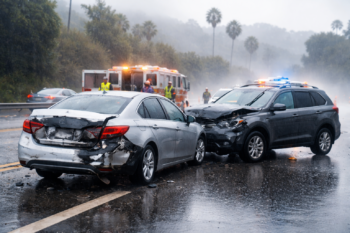
Rain can have a significant impact on driving conditions, especially when it falls on already worn-out or poorly maintained roads. During spring, California’s roads, though vital to the state’s transportation system, can become slick, increasing the likelihood of accidents.
- Visibility: Rainfall can reduce visibility, making it harder for drivers to see obstacles, road signs, or even other vehicles on the road. This can lead to increased chances of rear-end collisions, especially in low-visibility conditions like fog or heavy rainfall.
- Hydroplaning: One of the most dangerous aspects of driving in the rain is hydroplaning. This occurs when a vehicle’s tires lose contact with the road due to a layer of water, causing the driver to lose control of the vehicle. Drivers who are unaware of how to handle hydroplaning may end up causing or contributing to a crash.
- Slippery Surfaces: Wet roads can cause a reduction in tire friction, particularly on older, well-worn tires. Roads may have puddles, slick spots, or areas where water pools, all of which increase the risk of losing control of the vehicle, especially if the driver isn’t adjusting their speed for the conditions.
- Braking Distance: It takes longer to stop a vehicle on wet roads. In cases where a vehicle is too close to another, rear-end collisions can happen easily. Additionally, failing to slow down in rainy conditions can make it harder to stop in time to avoid a crash.
These factors create a challenging environment for drivers, and understanding how they contribute to accidents is essential when it comes to determining who is at fault.

Timothy J. Ryan
Founding Attorney
How Fault is Determined in Rainy Weather Accidents
In California, fault determination is usually based on negligence. Negligence is when a driver fails to take reasonable care while driving, leading to an accident. When weather conditions are a factor, like rain, there are additional expectations for drivers to adjust their behavior to prevent accidents.
- Speeding During Rain: One of the most common reasons for accidents in the rain is speeding. In California, there are specific laws regarding driving at a safe speed based on weather conditions. Even if the posted speed limit is a certain number, if a driver is going too fast for wet conditions, they could be found at fault.
- Failure to Maintain Proper Following Distance: Under California law, drivers are expected to maintain a safe distance from the vehicle in front of them, particularly in adverse weather conditions. During rain, it is recommended to double the usual following distance to account for longer stopping distances on wet roads. Failure to do so may lead to liability in the event of an accident.
- Distracted Driving: Even though rainy conditions require heightened attention, distracted driving remains a leading cause of accidents. If a driver is texting, talking on the phone, or engaged in other distractions while driving in the rain, they could be found negligent and therefore responsible for the crash. In the case of rain, distractions combined with weather hazards significantly raise the risks.
- Driving Under the Influence (DUI): The presence of rain does not absolve drivers from DUI laws. If a driver is intoxicated during rainy weather, they are more likely to be found at fault for a crash, as alcohol impairs judgment, reaction time, and the ability to handle a vehicle, especially in challenging weather conditions.

Got a really bad head concussion and Timothy J. Ryan was amazing.” Tim helped me to stop stressing out about my case and focus my attention back on my work and family. Tim is one of the smartest men I have ever met. This personal injury law firm changed my life. They did not disappoint in any way. The entire office was professional and friendly! You can trust this firm. Highly recommend. ”
- Flex Drill
Tim is personable, knowledgeable in law and interested in you as a person, Tim stayed on top of my case and kept me updated frequently. His staff (Sose and Katelyn were outstanding and worked closely with me to get things done. I would recommend this law firm."
- Leslie Bartimore
Very efficient and professional personnel. Starting from the top to bottom. The experience was great. Being Hispanic was really happy seen how they were able to handle cases with all different ethnicities. The treatment I got from Tim and the legal assistant was beyond awesome. Super happy with the settlement and the outputs of my case. Thanks a lot Tim and Tania."
- Rafael Sarabia
What to Do After an Accident in the Rain
If you are involved in a car accident during rainy weather in California, it’s important to follow a few critical steps. These steps can help ensure your safety, assist in the determination of fault, and protect your legal rights:
- Seek Medical Attention: Even if you don’t think you’ve been seriously injured, seek medical attention immediately. Sometimes, injuries from accidents don’t show up right away. Getting a professional evaluation can prevent complications later.
- Report the Accident: Call the police and make sure that the accident is properly documented. In rainy conditions, the report should reflect the weather conditions and how they contributed to the crash. Make sure to get a copy of the police report for your records.
- Gather Evidence: Take photos of the scene, your vehicle, and the road conditions. If possible, get photos of weather conditions, puddles, or areas where the road may have contributed to the accident. Also, gather contact information from witnesses and other involved parties.
- File a Claim with Your Insurance Company: Notify your insurance provider about the crash as soon as possible. Provide them with all the details about the accident, including weather conditions. If there is a dispute over fault, your insurance company can investigate and help resolve the issue.
- Consult an Experienced Personal Injury Lawyer: After any accident, especially those involving inclement weather, it’s important to consult with a lawyer who specializes in personal injury law. They can help determine liability and protect your rights.
Related Videos
Choosing a Personal Injury Attorney
Personal Injury Case Timeline
The Role of Weather Reports and Expert Testimony in Accident Cases
In accidents involving weather conditions, expert testimony and official weather reports can play a crucial role. Weather reports, especially those documenting the exact conditions at the time of the accident, can provide objective evidence of how the rain affected the roads. Expert testimony from accident reconstruction specialists may also be used to analyze the dynamics of the crash, such as speed, braking, and the exact weather conditions at the scene.
This evidence can help establish whether the conditions contributed to the crash and whether the driver’s actions were reasonable under those conditions. Whether the case involves a claim for damages, insurance coverage disputes, or a courtroom trial, this evidence is often pivotal in establishing who is at fault.
What Happens if the Road Conditions Were Negligent?
In some cases, road conditions may be more than just a contributing factor—they may be the primary cause of the accident. If the roads are poorly maintained and caused the crash, it could shift some of the fault to the local or state government. Common road conditions that may contribute to accidents in rainy weather include:
- Potholes or Cracks in the Road: These can be exacerbated by rainwater and make it difficult for drivers to maintain control of their vehicles.
- Blocked Drains: If water is not draining properly from the road, it can create pools of water that cause hydroplaning.
- Unclear Signage or Lack of Warning: Drivers need to know about potential hazards, such as areas prone to flooding or roadwork. If proper warning signs or barriers are not in place, the responsible authorities could be liable.
If you suspect that road conditions contributed to the accident, it’s important to bring this up with your attorney. They can investigate whether the city or state government holds any responsibility for the crash.
Navigating the rainy spring roads in California requires extra caution. Understanding how weather conditions impact driving is crucial for all drivers, especially after a crash. While the weather itself does not automatically make someone at fault, it is a contributing factor in how liability is determined. In cases involving accidents in the rain, it’s important to gather as much evidence as possible, understand your rights, and consult with experienced legal professionals like Timothy J. Ryan.
If you’ve been in an accident due to rainy weather or hazardous road conditions, don’t hesitate to reach out for a free consultation. Our team is dedicated to helping you get the compensation you deserve. Contact Timothy J. Ryan today.