
During the busy holiday season, delivery vans are a common sight on the roads, racing to meet the surging demand for packages and gifts. However, the increased activity on the roads can lead to accidents, some of which may involve delivery vans. If you find yourself involved in such a crash, it is crucial to understand that the driver is not the only one who may be held accountable. In many cases, the company that employs the driver may also be liable for the damages.



This guide will explain how to build a claim against the company rather than just the driver when a delivery van crashes during the holiday shipping period. Understanding the legal framework and your rights will help ensure that you get the compensation you deserve for your injuries, damages, or losses.
Who Is Liable in a Delivery Van Accident? 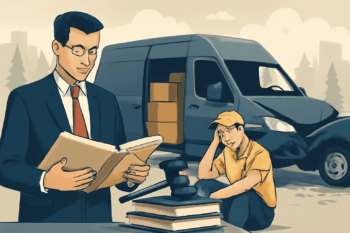
In the aftermath of a crash involving a delivery van, it’s essential to understand the different parties that could be held responsible for the accident. While many people automatically think of the driver’s insurance as the sole source of compensation, there are instances where the delivery company might also be liable.
- The Driver’s Liability: In most cases, the driver is the first person who comes to mind when considering liability in an accident. If the driver was negligent — such as speeding, running a red light, or driving under the influence — they can be held responsible for the accident. However, the driver’s personal insurance may not always be sufficient to cover all damages, particularly in cases of severe injuries or substantial property damage.
- The Employer’s Liability: When the driver is an employee of a company, the employer can be held responsible under the legal doctrine of vicarious liability. Vicarious liability holds employers accountable for the actions of their employees when those actions occur within the scope of their employment. If the driver was performing their duties — making deliveries for the company — at the time of the crash, the employer may be held liable for the damages caused.
- Third-Party Liability: In some cases, third parties may contribute to or cause the accident. For example, if the accident was caused by defective vehicle parts, the manufacturer of those parts may be liable. Similarly, if the company failed to maintain its vehicles properly, leading to the accident, the company could be held responsible for negligence.
Founding Attorney
Timothy J. Ryan
Building a Case Against the Delivery Company
When pursuing a claim against the company, it is essential to collect and present evidence that links the company to the incident. The more evidence you can gather, the stronger your case will be. Below are the key steps involved in building your claim.
- Collect Evidence at the Scene of the Accident
The first step after a crash is always to gather as much information as possible. This includes taking photos of the scene, noting the time and weather conditions, and obtaining the contact information of any witnesses. It’s also important to get the license plate number of the delivery van, as well as the driver’s name and contact details.
In addition to this, make sure to obtain the name of the delivery company and any company contact information available on the vehicle. Delivery vans often have logos or markings with company names, phone numbers, or addresses, all of which can be crucial when pursuing a claim against the company.
- Obtain the Driver’s Information
While it is essential to collect the driver’s personal information, you should also obtain details about the driver’s employment status. Specifically, determine whether the driver is an independent contractor or an employee of the company. If the driver is an employee, the company is more likely to be held responsible under vicarious liability.
- Investigate the Company’s Practices
The company’s internal practices can also play a significant role in determining whether they are liable for the accident. For instance, was the driver adequately trained? Were the company’s vehicles regularly maintained, and were there any maintenance issues leading to the accident? If the company neglected their vehicles or failed to ensure the driver was properly trained, they may be liable for negligence.
Choosing a Personal Injury Attorney
Personal Injury Case Timeline
Related Videos
- Gathering Expert Testimony
In many cases, expert witnesses may be necessary to support your claim. Experts can testify to the company’s failure to maintain its vehicles or provide adequate training for drivers. They may also evaluate the accident scene and the vehicles involved, providing insight into how the crash occurred and whether it could have been avoided.
- Check the Company’s Insurance Policy
The company may have commercial auto insurance, which is designed to cover accidents involving their vehicles. However, commercial insurance policies are different from personal auto policies. They may have higher coverage limits, but they also may contain exclusions that can limit your ability to recover damages.
It’s essential to review the company’s insurance policy to determine the limits and any exclusions that may apply. You will need to file a claim with the company’s insurance provider, which may be a complex process. If the insurance company denies your claim or offers an insufficient settlement, you may need to take legal action against the company.
Insurance and the Role of the Company’s Commercial Policy
While personal auto insurance is typically the first point of contact in an accident claim, commercial insurance is often the key to recovering sufficient compensation in accidents involving company-owned vehicles. The delivery company’s commercial insurance policy may have higher liability limits, but it’s also crucial to understand how these policies work.
- Commercial Insurance vs. Personal Insurance: Personal auto insurance may not cover the full extent of the damages in an accident involving a delivery van, particularly if the crash causes severe injuries or property damage. Commercial policies are designed to handle the increased risks associated with operating delivery vans and typically offer higher coverage limits. However, commercial policies may have different exclusions, so reviewing the policy details is vital.
- Understanding Coverage Limits: Commercial insurance typically covers liability, damage to property, and injury claims caused by the delivery van. However, the limits of the policy may vary, and you need to understand whether the company’s coverage will fully compensate you for your damages. If the company’s insurance policy does not cover all your losses, you may need to pursue additional legal action against the company.
- Dealing with Insurance Adjusters: When filing a claim against a company, the company’s insurance adjuster will evaluate the accident and determine the amount of compensation you are entitled to. It is essential to be prepared for negotiations, as insurance companies often try to minimize the payout. Having an attorney who specializes in personal injury can help you navigate the insurance process and ensure you receive the compensation you deserve.
Case Results
Why You Should Work with an Experienced Attorney
Filing a claim against a delivery company is a complicated process that requires legal expertise. Working with a personal injury attorney who understands the complexities of commercial insurance policies, vicarious liability, and the intricacies of delivery van accidents can help ensure the best possible outcome for your case.
An attorney can help you in the following ways:
- Investigate the Company’s Liability: An experienced attorney can assist in uncovering whether the company’s negligence contributed to the accident, including improper maintenance of the vehicle or inadequate training for the driver.
- Negotiate with Insurance Companies: Attorneys are well-versed in dealing with insurance adjusters and can ensure that the company’s insurance policy is fully utilized to cover your damages. If necessary, they can also assist in pursuing legal action against the company.
- Maximize Your Compensation: Insurance companies often try to offer low settlements to accident victims. Your attorney will fight to ensure that you receive fair compensation for your medical bills, lost wages, pain and suffering, and other damages resulting from the crash.
If you’ve been involved in an accident with a delivery van during the busy holiday season, it’s essential to understand that you have options beyond just filing a claim against the driver. Depending on the circumstances of the crash, you may be able to pursue a claim against the company that owns the delivery van. By gathering the right evidence, understanding the company’s liability, and working with an experienced attorney, you can improve your chances of receiving the compensation you deserve.
If you’ve been in an accident with a delivery van or have questions about your rights, Timothy J. Ryan is here to help. Contact us today for a free consultation to discuss your case and explore your legal options.
Disclaimer: This content is intended for informational purposes only and does not constitute legal advice. Always consult with a qualified attorney to discuss your specific situation.
To learn more about this subject click here: Common Mistakes to Avoid After a Car Accident While on Vacation in California