
Bicycle accidents can be life-altering events that bring about not only physical injuries but also emotional and psychological trauma. In California, the law recognizes the multifaceted nature of such injuries and provides avenues for victims to seek compensation, including damages for pain and suffering. Understanding what pain and suffering entail, how these damages are calculated, and the legal landscape surrounding bicycle accident claims in California is crucial for any injured cyclist seeking justice and rightful compensation. 



Defining Pain and Suffering in Legal Terms
Pain and suffering encompass a wide range of experiences that go beyond the immediate physical pain following an accident. It includes the ongoing discomfort, the mental anguish, the emotional distress, and the reduction in quality of life that often accompany severe injuries. Physical pain might be apparent through injuries such as broken bones, lacerations, or traumatic brain injuries, while suffering can manifest as anxiety, depression, sleep disturbances, or post-traumatic stress disorder. These non-economic damages are subjective and can vary significantly from one individual to another, making them complex to quantify.
The Legal Framework for Bicycle Accident Claims in California
California operates under a fault-based system for personal injury claims, meaning the party responsible for the accident is liable for the damages incurred. To pursue a claim for pain and suffering, the injured party must demonstrate that the other party was negligent. This involves proving that the defendant owed a duty of care to the cyclist, breached that duty, and directly caused the injuries and subsequent pain and suffering. In bicycle accident claims, common scenarios of negligence include drivers failing to yield to cyclists, distracted driving, speeding, or violating traffic laws. Once negligence is established, the injured cyclist can seek compensation for both economic and non-economic damages, with pain and suffering being a significant component of the latter.
Calculating Pain and Suffering Damages
The calculation of pain and suffering damages is inherently subjective and relies on various factors. Courts and insurance companies typically consider the severity of the injuries, the impact on the victim’s daily life, the duration of recovery, and the emotional toll. Two common methods used to estimate these damages are the multiplier method and the per diem method. The multiplier method involves multiplying the total economic damages by a certain number, usually between one and five, depending on the severity of the injury and the degree of suffering. For instance, if a cyclist incurs $50,000 in medical expenses and lost wages, and their pain and suffering are deemed severe, the multiplier might be three, resulting in $150,000 for pain and suffering damages. The per diem method assigns a daily monetary value to the pain and suffering endured and multiplies this by the number of days the victim is expected to suffer. This approach considers the ongoing nature of the pain and the long-term impact on the victim’s life. Founding Attorney
Timothy J. Ryan
Challenges in Proving Pain and Suffering
Proving pain and suffering can be challenging due to its subjective nature. Unlike economic damages, which can be documented through bills and receipts, pain and suffering require a more nuanced approach. Medical records, psychological evaluations, personal diaries, and testimonies from friends and family can provide valuable insights into the extent of the victim’s suffering. Testimony from medical professionals and mental health practitioners can also bolster a claim by providing an objective perspective on the victim’s condition and prognosis. Additionally, demonstrating the impact on the victim’s lifestyle, such as the inability to engage in hobbies, work, or maintain relationships, can help convey the true extent of the suffering.
The Role of Comparative Negligence
California follows the doctrine of pure comparative negligence, which means that even if the injured cyclist is partially at fault for the accident, they can still recover damages. However, their compensation will be reduced by their percentage of fault. For instance, if a cyclist is found to be 30% at fault for the accident, their total damages will be reduced by 30%. This principle underscores the importance of a thorough investigation to accurately determine the degree of fault for all parties involved.
Seeking Legal Assistance for Bicycle Accident Claims
Navigating the complexities of a bicycle accident claim, especially when it involves pain and suffering damages, requires a deep understanding of personal injury law and experience in handling such cases. Legal representation can make a significant difference in the outcome of a claim. An attorney with extensive experience in bicycle accident cases can help gather the necessary evidence, negotiate with insurance companies, and advocate for fair compensation. Timothy J. Ryan is dedicated to helping injured cyclists in California pursue justice and secure the compensation they deserve. Our team understands the profound impact that pain and suffering can have on a victim’s life, and we are committed to providing compassionate and effective legal support. If you or a loved one has been injured in a bicycle accident, contact Timothy J. Ryan today to discuss your case and explore your legal options.
The Importance of Wearing a Helmet While Cycling in California
Cycling is a popular form of exercise and transportation in California and for good reason. With its beautiful weather and scenic routes, cycling is a great way to explore the state. However, cycling can also be dangerous, and one of the most important safety measures you can take is wearing a helmet. In this blog post, we will explore the importance of wearing a helmet while cycling in California.
Protects Your Head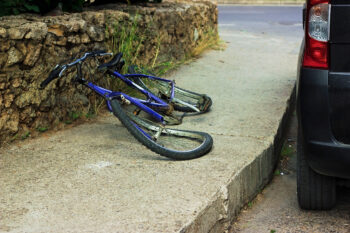
One of the most important reasons to wear a helmet while cycling is to protect your head in the event of an accident. According to the National Highway Traffic Safety Administration (NHTSA), helmets reduce the risk of head injury by 85% and the risk of brain injury by 88%. California has a mandatory helmet law, which requires all cyclists under the age of 18 to wear a helmet while cycling. However, even if you are over 18, it is still highly recommended that you wear a helmet for your own safety.
Prevents Fatalities
Cycling fatalities are unfortunately all too common in California. In 2019, there were 155 cyclist fatalities in the state, which is a 12% increase from the previous year. Wearing a helmet can greatly reduce the risk of a fatal head injury in the event of an accident. A study conducted by the Centers for Disease Control and Prevention (CDC) found that helmet use can reduce the risk of death by up to 73%.
Sets an Example
If you are a parent or caregiver, wearing a helmet sets a good example for children and encourages them to do the same. Children are more likely to wear a helmet if they see adults around them doing the same. By wearing a helmet, you are not only protecting yourself, but you are also setting an example for others to follow.
Complies with the Law
As mentioned earlier, California has a mandatory helmet law for cyclists under the age of 18. If you are caught cycling without a helmet, you can face a fine of up to $25. While there is no helmet law for adults, it is still highly recommended that you wear one for your own safety.
Choosing the Right Helmet
When it comes to choosing a helmet, it is important to choose one that fits properly and meets safety standards. Look for a helmet that is certified by the Consumer Product Safety Commission (CPSC), which ensures that the helmet meets safety standards. The helmet should fit snugly on your head, with no more than two fingers’ width between the helmet and your eyebrows. It should also have adjustable straps to ensure a secure fit. Additionally, consider the type of cycling you will be doing when choosing a helmet. If you plan to do off-road cycling or mountain biking, a helmet with more coverage and a visor may be appropriate. If you plan to do road cycling or commuting, a more aerodynamic helmet may be a better fit.
Other Safety Measures
While wearing a helmet is an important safety measure, there are other things you can do to reduce your risk of injury while cycling in California. First, obey traffic laws and signals, and always ride in the same direction as traffic. Use hand signals to indicate when you plan to turn, and make sure you are visible to drivers by wearing reflective clothing or adding lights to your bike. Also, be aware of your surroundings and anticipate potential hazards such as potholes, debris, or other obstacles. Wearing a helmet while cycling in California is not only a smart safety measure, but it is also the law for cyclists under the age of 18. By wearing a properly fitting helmet that meets safety standards, you can greatly reduce your risk of head and brain injuries in the event of an accident. In addition to wearing a helmet, obeying traffic laws and signals, using hand signals, and making yourself visible to drivers can also help keep you safe while cycling. By taking these safety measures, you can enjoy the many benefits of cycling in California while reducing your risk of injury. As a personal injury law firm, we at Timothy J. Ryan have extensive experience helping clients who have been injured in cycling accidents. If you or a loved one has been injured while cycling in California, we can help you recover compensation for your injuries, medical bills, lost wages, and other damages. Our team of attorneys, investigators, medical experts, and accident reconstructionist understands the importance of wearing a helmet while cycling, and we can help you build a strong case to demonstrate the severity of your injuries and the impact they have had on your life. Got a really bad head concussion and Timothy J. Ryan was amazing.” Tim helped me to stop stressing out about my case and focus my attention back on my work and family. Tim is one of the smartest men I have ever met. This personal injury law firm changed my life. They did not disappoint in any way. The entire office was professional and friendly! You can trust this firm. Highly recommend. ” - Flex Drill Tim is personable, knowledgeable in law and interested in you as a person, Tim stayed on top of my case and kept me updated frequently. His staff (Sose and Katelyn were outstanding and worked closely with me to get things done. I would recommend this law firm." - Leslie Bartimore Very efficient and professional personnel. Starting from the top to bottom. The experience was great. Being Hispanic was really happy seen how they were able to handle cases with all different ethnicities. The treatment I got from Tim and the legal assistant was beyond awesome. Super happy with the settlement and the outputs of my case. Thanks a lot Tim and Tania." - Rafael Sarabia
Bicycle Safety Tips for Children in California
Bicycling is a popular and enjoyable activity for children in California, promoting physical fitness, independence, and environmental consciousness. However, it is crucial for children to understand and follow essential safety guidelines to prevent accidents and injuries. This article aims to provide parents, guardians, and educators with comprehensive bicycle safety tips to ensure the well-being of children while they cycle around California’s roads and trails. By implementing these guidelines and encouraging responsible behavior, we can create a safe and enjoyable cycling environment for our young riders. Selecting the Right Bicycle  Before embarking on cycling adventures, it is vital to choose an appropriate bicycle for your child. Consider the following factors:
- Size and Fit: Ensure the bicycle is the correct size for your child’s age and height. They should be able to place both feet flat on the ground when sitting on the saddle.
- Helmet: Invest in a well-fitting, certified bicycle helmet for your child. Emphasize the importance of wearing it at all times while riding to protect against head injuries.
- Bike Maintenance: Regularly inspect the bicycle to ensure it is in proper working condition. Check the brakes, tires, and gears to prevent accidents caused by mechanical failures.
Teaching Bicycle Safety Rules Educating children about bicycle safety rules is crucial to instill responsible habits. Emphasize the following guidelines:
- Traffic Laws: Teach children to respect and follow traffic laws, including traffic signals, stop signs, and right-of-way rules. Explain the importance of obeying these laws to ensure their safety and the safety of others.
- Hand Signals: Demonstrate and teach hand signals for turning left, right, and stopping. Practice these signals until they become second nature to your child.
- Road Awareness: Teach children to be aware of their surroundings while cycling. Emphasize the importance of scanning for vehicles, pedestrians, and obstacles and maintaining a safe distance.
- Riding with Traffic: Instruct children to ride on the right side of the road, in the same direction as traffic flow. Discourage them from riding in traffic, as it increases the risk of collisions.
- No Distractions: Advise children to avoid distractions such as using electronic devices, listening to loud music, or wearing headphones while riding. Encourage them to focus solely on the road and their surroundings.
Essential Safety Gear Aside from wearing a helmet, additional safety gear enhances the overall protection for young cyclists:
- Reflective Clothing: Ensure your child wears brightly colored clothing with reflective elements, especially when riding during low-light conditions. This increases their visibility to motorists.
- Lights: Install front and rear lights on your child’s bicycle, particularly when riding during dusk, dawn, or in poor visibility. Lights help alert drivers to the presence of cyclists on the road.
- Reflectors: Make sure the bicycle has reflectors on the front, back, pedals, and wheels. Reflectors enhance visibility from various angles, reducing the risk of accidents.
Supervision and Riding in Groups Supervision and teaching children the importance of riding in groups can contribute to their safety:
- Adult Supervision: Younger children, especially those under 10 years old, should be accompanied by an adult while cycling. Adults can provide guidance, enforce safety rules, and respond to any emergencies.
- Buddy System: Encourage children to ride with a friend or sibling when possible. Having a riding partner promotes accountability and helps in case of accidents or getting lost.
- Communication: Teach children to communicate with each other and with motorists. Make sure they understand the significance of using hand signals, eye contact, and verbal communication to enhance safety.
Choosing Safe Routes When allowing children to cycle in California, it is essential to choose safe routes that minimize exposure to traffic and potential hazards. Consider the following:
- Sidewalks and Bike Paths: Encourage children to use designated bike paths and sidewalks whenever possible. These areas provide a safer environment away from vehicular traffic.
- Neighborhood Streets: If riding on the road is necessary, opt for quiet residential streets with lower speed limits and less traffic. Avoid busy roads and intersections that pose higher risks.
- Familiarity with the Route: Ensure that your child is familiar with the chosen route. Practice riding together until they feel comfortable navigating the area independently.
- Avoidance of Hazardous Areas: Instruct children to avoid areas with heavy construction, poor road conditions, or busy commercial zones. These areas can increase the risk of accidents and collisions.
Practicing Defensive Cycling Teaching children defensive cycling techniques can significantly enhance their safety on the road. Emphasize the following practices:
- Vigilance: Instruct children to stay alert and be aware of their surroundings at all times. Encourage them to anticipate potential hazards, including opening car doors, parked vehicles, and unpredictable movements of pedestrians.
- Eye Contact: Teach children to make eye contact with drivers before crossing intersections or making turns. Eye contact ensures that drivers are aware of their presence and intentions.
- Riding Predictably: Advise children to ride in a straight line and avoid sudden swerving or erratic movements. Consistent and predictable riding behavior helps motorists anticipate their actions.
- Be Visible: Encourage children to wear bright clothing and use reflectors and lights, even during the daytime. Being visible to motorists reduces the chances of accidents caused by lack of visibility.
Role of Adult Supervision and Education Adult supervision and continuous education play vital roles in ensuring the ongoing safety of child cyclists. Consider the following points:
- Adult Oversight: While children gain independence and confidence in cycling, it is crucial for adults to maintain supervision and periodically assess their skills. Provide guidance, correct any unsafe habits, and offer encouragement as they progress.
- Safety Workshops and Programs: Take advantage of safety workshops and programs offered in the community. These resources often provide valuable insights, hands-on training, and educational materials to promote bicycle safety.
- Lead by Example: As adults, we should lead by example and consistently demonstrate safe cycling practices. Observe traffic laws, wear helmets, and use appropriate safety gear to instill responsible habits in children.
- Continuous Education: Stay informed about current bicycle safety guidelines and practices. Share updated information with children, ensuring that they are aware of any changes or new regulations that may affect their cycling habits.
When it comes to ensuring the safety of children while cycling in California, it is essential to have the support of professionals who specialize in personal injury law. If you or a loved one have been involved in a bicycle accident and need legal guidance, consider reaching out to Timothy J. Ryan .
San Diego Driver Hits Bicyclist Causing Brain Injury
 An unfortunate bicyclist was struck by a car as he was leaving Fashion Valley Mall in San Diego on Sunday morning. Assuming the news reports are accurate, the driver of the car was negligent. That entitles the bicycle rider to compensation for his injuries, which are said to be serious but not life-threatening. We wish the bicyclist a full recovery.
RESPONSIBILITY FOR THE ACCIDENT
Piecing together news stories, it appears the rider, a 61-year-old man, was riding in an exit lane while leaving the mall parking lot. The driver of the car made a left turn into the mall. The driver apparently turned too soon, entering the exit lane rather than the entrance lane, causing a collision with the bicycle rider.
If those are the facts, little if any fault should be attributed to the bicycle rider. If evidence suggests that the rider had an opportunity to anticipate and avoid the accident and failed to do so, he might be held partially responsible (in the language of the law, he could be found contributorily negligent). The large majority of fault should plainly be attributed to the driver of the car, who carelessly entered the wrong lane and evidently failed to observe the bicycle.
THE RISK OF URBAN BICYCLING
The accident points to the perilous nature of riding a bicycle in a state that is dominated by cars and trucks. While San Diego is heralded as a bicycle-friendly city, bicycles are less visible than cars. Drivers who are watching for cars, not for bicycles, often fail to see a bicyclist until it is too late.
Bicyclists should do everything they can to make themselves visible. Bicycle safety tips include wearing bright clothing and flying a bicycle flag. Bicyclists should also anticipate that drivers might not see them although, in this case, it would be difficult to anticipate that a driver would turn into the wrong lane. The news stories do not indicate whether the bicyclist was wearing a bicycle helmet, but doing so is always a wise precaution.
COMPENSATION FOR INJURIES
The bicycle rider was hospitalized with broken ribs, fractured facial bones, and bleeding on his brain. The brain injury may be the most serious of those, although it is good to know that his injuries have not been characterized as life-threatening. Bleeding within the skull can cause an increase of pressure on the brain as blood accumulates. If the bleeding does not stop naturally, surgery may be required to relieve the pressure and save a patient’s life.
Most traumatic brain injuries heal over the course of time, although the brain is particularly vulnerable to a second injury during the healing period. Traumatic brain injuries can affect the ability to think, reason, and remember. They can also have an impact on balance and sensory perception. We hope the bicycle rider makes a full recovery from his head injury. We also hope he waits to settle his claim until his doctors are able to assess whether the injury will have a lasting impact. Settling too soon would be a serious mistake if his brain injury turns out to be more serious than he believes it to be when he settles his claim.
Broken ribs are extremely painful. They can also be dangerous if sharp bone fragments puncture lungs or pierce blood vessels. Broken ribs make breathing so painful that patients sometimes take only shallow breaths, placing them at risk of contracting pneumonia. Again, some months may need to pass before the bicyclist will be in a position to know the full extent of his injuries.
Depending on their location, fractured bones in the face may need to be repaired by a maxillofacial surgeon. Some facial injuries have an impact on eyesight or breathing. Facial injuries from car accidents often cause permanent scarring.
We know nothing about the bicycle rider’s employment, but he will be entitled to compensation for lost wages caused by the accident. His medical expenses are likely to be substantial. Compensation for pain and suffering may be the largest part of his claim against the driver’s insurance company. Victims of bicycle accidents who experience serious injuries should always consult with a car accident attorney to be sure they understand their rights before they think about settling their claim for compensation.
The Growing Prevalence of Bicycle-Pedestrian Accidents
California’s temperate climate and scenic routes make it an ideal location for cycling. With an increasing emphasis on eco-friendly transportation and healthy lifestyles, cycling has become an integral part of daily life for many residents. However, the rise in cycling activity has brought about an increase in bicycle-pedestrian accidents. These incidents can occur in a variety of settings, such as busy urban intersections, suburban sidewalks, and recreational areas. When a cyclist collides with a pedestrian, the consequences can range from minor injuries to severe, life-altering harm.
Legal Responsibilities of Cyclists
Cyclists in California are required to adhere to the same traffic laws as motorists. This includes obeying traffic signals, yielding to pedestrians at crosswalks, and riding in designated bike lanes where available. When a cyclist fails to comply with these laws and causes an accident involving a pedestrian, they may be held liable for any resulting injuries. The concept of negligence plays a central role in determining liability. If it can be proven that the cyclist acted negligently, for instance by running a red light or failing to yield the right of way, they may be responsible for compensating the injured pedestrian for medical expenses, lost wages, and pain and suffering. Founding Attorney Timothy J. Ryan
Pedestrians’ Rights and Responsibilities
While pedestrians generally have the right of way, they also have a responsibility to exercise caution and follow traffic signals and pedestrian laws. In cases where a pedestrian is found to have contributed to the accident, such as by jaywalking or suddenly stepping into the path of an oncoming cyclist, their ability to recover damages may be reduced under California’s comparative negligence system. This system allows for the allocation of fault between parties, meaning that if a pedestrian is found to be partially at fault for the accident, their compensation may be adjusted accordingly.
The Role of Social Media in Legal Cases
Social media has become a huge part of life. People share personal updates, photos, and experiences without thinking much about the consequences. But when it comes to legal matters like a bicycle accident case, what you post online can be looked at closely by both sides of the case. For example, if you are making a claim for injury after a bicycle accident, the insurance company or the other party’s lawyers may check your social media accounts to see if your posts match your claims. If you claim you are seriously hurt but post pictures of yourself doing activities that seem to show otherwise, it can be used against you. This does not mean that every post will harm your case, but if something you post contradicts what you have said about your injury or the accident, it could raise doubts. Courts are starting to use social media as part of the evidence in more cases because it can provide insights into a person’s lifestyle, actions, and behavior after an accident. This is why it is important to be careful about what you post on social media during a legal case. Even a simple post or picture can be misunderstood and used against you. It’s not just about what you post, but also about how others may interpret it. Social media content is often taken out of context, and this can complicate your case. Founding Attorney Timothy J. Ryan
Why Social Media Can Hurt Your Bicycle Accident Case
When you are involved in a bicycle accident case, one of the biggest mistakes you can make is assuming that your social media accounts are private. In reality, even with privacy settings turned on, your posts can still be accessed by legal teams through different methods. For instance, a lawyer may request access to your posts as part of the discovery process, or a judge might allow certain posts to be used as evidence in court. Pictures or comments made after your accident might seem innocent but can be used to question the severity of your injuries. For example, if you claim that you have back pain from the accident but post pictures of yourself participating in physical activities, it might suggest that your injuries are not as bad as you say. Even if the pictures were taken before the accident, they can still be used to cast doubt on your claims. It’s not just pictures that can cause problems. Comments you make or things you share about your case online can also be used to discredit you. Talking about the accident or your injuries in a way that conflicts with the information you provide in court can create inconsistencies that could weaken your case. It is common for people to discuss their accidents on social media, looking for support from friends and family. However, any public statements you make about the accident can be used by the other side to argue against your claims.
Common Injuries in Bicycle Accidents: Legal and Medical Perspectives
Bicycle accidents are unfortunately common on roads throughout the country, affecting thousands of cyclists each year. These accidents can lead to severe injuries, ranging from minor scrapes and bruises to life-threatening conditions. Cyclists, being more vulnerable than drivers, are often at a disadvantage when it comes to protection during an accident. Understanding the common injuries that result from bicycle accidents is essential for both medical and legal perspectives. This knowledge not only helps cyclists in seeking proper medical treatment but also provides crucial information when pursuing legal claims for compensation. By exploring both the legal and medical aspects of these injuries, victims of bicycle accidents can make informed decisions about their health and rights. Founding Attorney Timothy J. Ryan
Head Injuries and Traumatic Brain Injuries (TBI)
One of the most severe injuries cyclists can experience in an accident is a head injury, often resulting in traumatic brain injuries (TBI). A cyclist’s head is particularly vulnerable during an accident, especially when helmets are not worn or fail to provide adequate protection. TBIs can range from mild concussions to severe brain damage that may have long-term consequences on cognitive functions, motor skills, and emotional stability. Medical professionals emphasize the importance of immediate evaluation and treatment after a head injury. Early intervention can prevent further damage and complications such as swelling, internal bleeding, or seizures. From a legal standpoint, head injuries often form the basis of substantial compensation claims. Cyclists suffering from TBIs may face significant medical expenses, lost wages, and reduced quality of life. It is vital for victims to gather proper medical documentation and seek legal representation to ensure their rights are protected. In many cases, proving that the accident was caused by another party’s negligence can result in compensation to cover medical bills, rehabilitation costs, and long-term care needs. Legal professionals handling these cases often collaborate with medical specialists to assess the full extent of the injury and its impact on the victim’s future.
Spinal Cord Injuries
Spinal cord injuries are another devastating outcome of bicycle accidents. The impact of being thrown from a bike or being struck by a vehicle can cause severe damage to the spinal cord, potentially leading to paralysis. Depending on the severity of the injury and where it occurs along the spine, cyclists may face partial or complete loss of movement and sensation in various parts of their bodies. Recovery from spinal cord injuries is often long and difficult, requiring intensive physical therapy and medical care.
Got a really bad head concussion and Timothy J. Ryan was amazing.” Tim helped me to stop stressing out about my case and focus my attention back on my work and family. Tim is one of the smartest men I have ever met. This personal injury law firm changed my life. They did not disappoint in any way. The entire office was professional and friendly! You can trust this firm. Highly recommend. ”
- Flex Drill
Tim is personable, knowledgeable in law and interested in you as a person, Tim stayed on top of my case and kept me updated frequently. His staff (Sose and Katelyn were outstanding and worked closely with me to get things done. I would recommend this law firm."
- Leslie Bartimore
Very efficient and professional personnel. Starting from the top to bottom. The experience was great. Being Hispanic was really happy seen how they were able to handle cases with all different ethnicities. The treatment I got from Tim and the legal assistant was beyond awesome. Super happy with the settlement and the outputs of my case. Thanks a lot Tim and Tania."
- Rafael Sarabia
Fractures and Broken Bones
Fractures and broken bones are common injuries in bicycle accidents, often occurring when cyclists fall or collide with other vehicles or objects. The arms, legs, ribs, and collarbones are particularly susceptible to fractures, as cyclists instinctively extend their limbs to brace for impact. While broken bones can sometimes heal with time, severe fractures may require surgical intervention, physical therapy, and extended recovery periods. In some cases, fractures may result in permanent limitations or disability, especially if complications arise during the healing process. Legally, cyclists who suffer fractures or broken bones in accidents can seek compensation for medical expenses, lost income, and pain and suffering. The severity of the injury and its impact on the victim’s ability to return to work or perform daily activities are critical factors in determining the amount of compensation. Cyclists should seek immediate medical attention after an accident and retain all documentation related to their injuries and treatment. In cases where the accident was caused by the negligence of another party, such as a reckless driver or hazardous road conditions, legal action can be taken to secure compensation for the damages.
Soft Tissue Injuries
Soft tissue injuries, which include damage to muscles, ligaments, and tendons, are frequently seen in bicycle accidents. These injuries may not always be immediately apparent but can lead to long-lasting pain, discomfort, and mobility issues. Whiplash, sprains, strains, and contusions are common soft tissue injuries that cyclists may experience after an accident. While soft tissue injuries may not seem as severe as broken bones or head injuries, they can still significantly affect a victim’s quality of life and ability to perform daily tasks. From a legal perspective, soft tissue injuries can sometimes be more challenging to prove than more visible injuries like fractures. However, they can still warrant compensation if they result in ongoing pain or limited mobility. Cyclists who suffer from soft tissue injuries should seek medical attention as soon as possible, as delayed treatment can complicate both recovery and the legal process. Legal professionals often work closely with medical specialists to establish the severity of these injuries and their impact on the victim’s life. Proper documentation and medical evidence are crucial in these cases to ensure fair compensation is obtained. Block "blog-videos" not found
Road Rash and Lacerations
Road rash is a common injury in bicycle accidents, occurring when the cyclist’s skin scrapes against the pavement or other hard surfaces. While road rash may not seem as serious as other injuries, it can lead to significant pain, infection, and scarring. In severe cases, skin grafts may be required to treat deep abrasions. Additionally, lacerations or cuts caused by contact with sharp objects or debris on the road can result in blood loss, infection, and permanent scarring. Legally, cyclists who suffer from road rash or lacerations as a result of an accident may be entitled to compensation for medical expenses, pain and suffering, and any cosmetic or reconstructive surgeries needed to repair the damage. These injuries, although often considered minor compared to head or spinal cord injuries, can still have a lasting impact on the victim’s physical and emotional well-being. Cyclists should document their injuries with photographs and medical records, as this evidence will be valuable in pursuing a legal claim. Legal professionals can help victims obtain compensation by proving that another party’s negligence caused the accident.
Internal Injuries and Organ Damage
Internal injuries and organ damage are serious concerns for cyclists involved in high-impact accidents. Even when external injuries appear minor, the force of a collision can cause damage to internal organs, such as the lungs, liver, or kidneys. Internal bleeding is another potential complication that requires immediate medical attention, as it can be life-threatening if left untreated. Cyclists may not always recognize the signs of internal injuries right away, which is why prompt medical evaluation is critical after any accident. From a legal standpoint, internal injuries are often grounds for significant compensation due to the extensive medical treatment required. Emergency surgery, long hospital stays, and ongoing medical care can place a considerable financial burden on the victim and their family. Legal professionals who represent cyclists with internal injuries focus on obtaining compensation for medical expenses, lost wages, and pain and suffering. Establishing the severity of the injury and proving that the accident was caused by another party’s negligence are essential steps in these cases. 
- Georgia Cunradi
- D. Franklin Welch
- J. Weber
Emotional and Psychological Injuries
While physical injuries are often the primary focus after a bicycle accident, emotional and psychological trauma can be just as damaging. Many cyclists experience anxiety, depression, or post-traumatic stress disorder (PTSD) following a serious accident. The fear of riding again or the emotional toll of coping with severe injuries can have long-lasting effects on a victim’s mental health. Emotional and psychological injuries are often more challenging to diagnose and treat, but they are an important aspect of the recovery process. Legally, emotional and psychological injuries are often included in compensation claims for bicycle accidents. Victims may be entitled to compensation for therapy, counseling, and other treatments that address the emotional impact of the accident. Proving the extent of emotional trauma requires proper documentation from mental health professionals, as well as a thorough understanding of how the accident has affected the victim’s daily life and overall well-being. Legal professionals representing cyclists with emotional injuries work to ensure that their clients receive compensation for the full range of damages caused by the accident. If you or a loved one has been injured in a bicycle accident, it is essential to seek both medical and legal assistance as soon as possible. Proper medical care can help ensure a full recovery, while legal representation can protect your rights and secure the compensation you deserve. Whether you have suffered a head injury, spinal cord damage, broken bones, or emotional trauma, you should not have to bear the financial burden of your recovery alone. At Timothy J. Ryan , our team is committed to helping injured cyclists navigate the complex legal process and obtain the compensation they need to move forward. Contact us today for a free consultation to discuss your case and learn how we can assist you in pursuing justice.
Importance of Prompt Medical Attention and Documentation
One of the critical steps in a bicycle accident claim is seeking prompt medical attention. Immediate medical care not only addresses the physical injuries but also creates a crucial record that can be used to substantiate the pain and suffering endured. Comprehensive medical documentation, including detailed descriptions of injuries, treatment plans, and prognosis, is vital in building a strong case for non-economic damages. Additionally, ongoing medical treatment and follow-up appointments should be diligently attended, as they provide continuous documentation of the pain and suffering experienced over time. This medical evidence is instrumental in demonstrating the long-term impact of the injuries and the necessity for adequate compensation.
The Psychological Impact of Bicycle Accidents
Beyond the physical injuries, the psychological impact of a bicycle accident can be profound and long-lasting. Victims may experience a range of emotional responses, including anxiety, depression, fear of riding again, and even post-traumatic stress disorder. The psychological toll can affect various aspects of a victim’s life, from their personal relationships to their ability to work and participate in daily activities. Recognizing and addressing these psychological injuries is essential in a comprehensive pain and suffering claim. Mental health treatment, such as therapy or counseling, should be sought and documented to provide a complete picture of the victim’s suffering. The inclusion of psychological damages in the overall claim underscores the holistic approach needed to achieve fair compensation. Choosing a Personal Injury Attorney
Personal Injury Case Timeline
Related Videos
The Role of Insurance Companies in Pain and Suffering Claims
Insurance companies play a significant role in bicycle accident claims, often being the primary source of compensation for victims. However, insurance adjusters may attempt to minimize the payout for pain and suffering damages by questioning the severity of the injuries or the necessity of certain treatments. It is important for victims to be cautious when dealing with insurance companies and to avoid settling claims without fully understanding the extent of their damages. Having legal representation can be particularly beneficial in negotiations with insurance companies. An attorney can effectively counter lowball offers and ensure that the victim’s pain and suffering are accurately represented and compensated. With experienced legal support, victims can focus on their recovery while their attorney handles the complexities of the claim.
The Long-Term Consequences of Bicycle Accidents
The consequences of a bicycle accident can extend far beyond the initial recovery period. Chronic pain, permanent disabilities, and lasting psychological effects can alter a victim’s life trajectory. These long-term consequences must be factored into the calculation of pain and suffering damages to ensure that victims receive compensation that truly reflects their ongoing struggles. Future medical expenses, loss of earning capacity, and the need for long-term care or rehabilitation are important considerations in a comprehensive pain and suffering claim. By accounting for these future needs, victims can secure the financial resources necessary to manage their injuries and maintain their quality of life. Case Results
Advocating for Fair Compensation
The journey to securing fair compensation for pain and suffering in bicycle accident claims is often fraught with challenges. However, with the right legal support, victims can navigate this complex process and achieve a resolution that acknowledges the full extent of their suffering. Advocacy for fair compensation involves meticulous preparation, persuasive argumentation, and a deep understanding of the legal landscape. Timothy J. Ryan is committed to advocating for the rights of injured cyclists and ensuring that their pain and suffering are properly recognized and compensated. Our firm’s dedication to client care and legal excellence has made us a trusted partner for those seeking justice in the wake of a bicycle accident. Pain and suffering damages are a crucial component of bicycle accident claims in California, addressing the profound and often invisible impact of serious injuries. Understanding the legal framework, the methods for calculating these damages, and the importance of thorough documentation can empower victims to pursue the compensation they deserve. If you or a loved one has been injured in a bicycle accident, do not face this challenging journey alone. Contact Timothy J. Ryan today to schedule a consultation. Our experienced and compassionate team is here to provide the legal support you need to navigate your claim and secure the justice and compensation you deserve. Let us help you take the first step towards recovery and reclaiming your life after a bicycle accident.