
Orange County Industrial Accident Lawyer

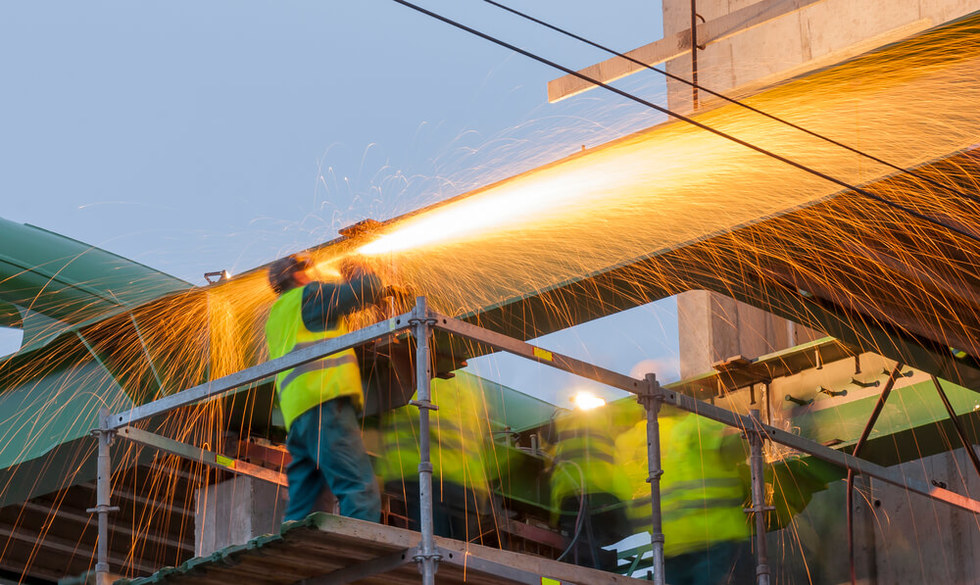
Man working with sparking machinery

97% Win Rate For Industrial Accident Injuries

Over $1 Billion Recovered

For more than 40 years, Timothy J. Ryan has represented workers who have been injured in construction and industrial accidents.

If you are injured on the job, you may be entitled to damages in addition to your workers’ compensation benefits. If your injuries are caused by a third party (anyone other than your employer or a co-worker), you can file a personal injury lawsuit against that third party.

Examples of injuries caused by third parties include:

  • injuries caused industrial machines or equipment
  • injuries caused by exposure to toxic chemicals or dangerous products
  • heavy equipment injuries
  • construction equipment injuries, such as falls from ladders and scaffolding
  • motor vehicle accidents occurring while on the job
  • fires and explosions
  • other work-related accidents caused by third parties, for example, contractors, subcontracts, or vendors

Industrial accidents are one of the most serious types of accidents with which individuals can be faced with. Many industrial accidents occur within a workplace setting. In these types of accidents, victims can be left in pain and sometimes be permanently damaged.

Types of Industrial Accidents

Industrial accidents vary in nature and severity based upon the types of harm-causing agents are involved. For instance, industrial accidents can include but are not necessarily limited to the following occurrences:

  • Explosions (electric-based and chemical-based),
  • Radiation exposure,
  • Nuclear explosion or meltdown in which radiation is leaked at lethally high levels,
  • Pollution (different types),
  • Equipment malfunctions,
  • Falling debris
  • Falls/slips in hazardous areas

Many of these accidents concern chemicals and their effects on the body, but other accidents also include injuries the result from encounters with malfunctioned equipment that can break bones or even dismember limbs.

Accidents that involve pollution vary, and sometimes such incidents are not sudden but rather, indicate prolonged exposure to certain agents, including, for example, asbestos, which is exposed to too much can lead to a serious cancer called mesothelioma.

Recent workplace accidents are not limited to nuclear electrical plans. Simple construction sites with large machinery can also cause major accidents if the planning is not careful. Any type of injury on the job, in an industrial area may qualify as an industrial type personal injury case.

Industrial accidents are often serious because, depending on the nature of the accident, individuals can lose limbs, face severe burns that can lead to secondary infections, etc.

Whereas the modern era has been a time of great change and advancements in large part because of the advent of heavy industrial machinery and powerful chemicals and substances to make work more efficient, the downside in many cases is that these things can significantly hurt people when used improperly

How We Can Help

If you or a loved one has been hurt in any of the above ways stemming from an industrial accident, please contact us so that we can best advise you as to how we can advocate on your behalf in order to obtain just compensation for the trauma you endured as a result of your injuries.

If your injuries are caused by a third party, you can be compensated for your pain and suffering (which workers’ compensation doesn’t cover). You can also receive full wage replacement. Contact our personal injury lawyers in Orange County for more information about the compensation you may be eligible to receive.

Frequently Asked Questions (FAQs) – Orange County Industrial Accident Lawyer
Industrial accidents differ significantly from typical workplace injuries due to their severity, complexity, and the involvement of dangerous equipment, hazardous materials, and high-risk environments. Industrial accidents often involve catastrophic injuries including severe burns from chemical exposure or explosions, crushing injuries from heavy machinery, traumatic amputations from unguarded equipment, serious falls from elevated platforms, electrical injuries from high-voltage systems, and toxic chemical exposures causing long-term health problems. These accidents frequently result from OSHA safety violations, inadequate safety training, defective industrial equipment, or third-party negligence by contractors or equipment manufacturers. Unlike simple slip and fall injuries, industrial accidents often involve multiple liable parties beyond the employer, creating opportunities for significant compensation beyond workers’ compensation. The technical complexity requires specialized legal knowledge of industrial safety regulations, OSHA standards, equipment operations, and hazardous material handling protocols that typical workplace injury cases don’t involve.

Yes, you can often sue third parties beyond workers’ compensation for industrial accidents when entities other than your direct employer contributed to the injury. Common third-party claims include equipment manufacturers for defective machinery that caused injuries, general contractors and subcontractors on multi-employer worksites, property owners who failed to maintain safe premises, maintenance companies that negligently serviced equipment, chemical manufacturers for toxic exposure injuries, engineering firms that designed unsafe systems, and staffing agencies that provided inadequately trained temporary workers. These third-party lawsuits can provide full compensation for pain and suffering, complete wage loss, and punitive damages that workers’ compensation doesn’t cover. Product liability claims against equipment manufacturers are particularly valuable in industrial settings where defective machinery causes catastrophic injuries. The key is immediate investigation to identify all potentially liable parties and preserve evidence of safety violations, equipment defects, and negligent conduct that contributed to your injuries beyond your employer’s direct actions.

The most common types of industrial accidents include machinery accidents involving unguarded equipment, inadequate lockout/tagout procedures, or defective safety systems causing crushing, cutting, or entanglement injuries. Chemical exposure accidents from inadequate ventilation, missing personal protective equipment, or improper handling of toxic substances causing burns, respiratory injuries, or long-term health effects. Falls from elevated platforms, scaffolds, ladders, or through unprotected floor openings due to inadequate fall protection or guardrail failures. Electrical accidents including arc flash incidents, electrocution from energized equipment, or high-voltage contact causing severe burns and cardiac injuries. Struck-by accidents from falling objects, crane loads, or mobile equipment in industrial facilities. Explosions and fires from chemical reactions, gas leaks, hot work operations, or electrical system failures. Confined space accidents involving oxygen deficiency, toxic atmospheres, or entrapment in tanks, vessels, or enclosed areas. Each type requires specific safety protocols under OSHA regulations, and violations of these standards can support both workers’ compensation and third-party liability claims.

OSHA violations significantly strengthen industrial accident cases by providing evidence of safety standard violations that contributed to injuries. When OSHA cites employers for safety violations related to your accident, these citations serve as powerful evidence of negligence in third-party lawsuits against contractors, equipment manufacturers, or property owners. OSHA’s investigation reports, photographs, and expert findings become valuable evidence that professional safety investigators identified specific safety failures. However, OSHA citations against your direct employer typically don’t create additional claims due to workers’ compensation exclusivity, but they can support larger workers’ compensation settlements. The key value is in cases involving multiple employers or third parties where OSHA violations demonstrate industry standard breaches that contributed to dangerous conditions. OSHA’s expertise in industrial safety carries significant weight with juries who understand that federal safety investigators found specific violations that caused preventable accidents. Even when OSHA doesn’t issue citations, their investigation files often contain valuable evidence about equipment defects, safety procedure failures, or environmental hazards that support third-party liability claims.

Industrial accident victims can recover multiple types of compensation depending on the liable parties involved. Workers’ compensation provides medical expenses, temporary and permanent disability payments, and vocational rehabilitation, but limits pain and suffering damages. Third-party lawsuits against equipment manufacturers, contractors, or property owners can provide full compensation including all medical expenses for extensive treatment often required for catastrophic industrial injuries, complete lost wage replacement rather than limited workers’ compensation percentages, pain and suffering damages for severe trauma and permanent disabilities, loss of life enjoyment for activities no longer possible due to injuries, future medical expenses for lifelong care needs common in serious industrial accidents, and punitive damages when employers or third parties showed willful disregard for safety. Product liability claims against equipment manufacturers often result in substantial settlements due to defective machinery causing severe injuries. The combination of workers’ compensation and third-party recovery can provide comprehensive compensation that addresses both immediate needs and long-term consequences of catastrophic industrial injuries that often permanently change victims’ lives and earning capacity.

After an industrial accident, prioritize immediate medical attention as industrial injuries are often severe and life-threatening, requiring emergency treatment to prevent further harm. Report the accident to your supervisor immediately and ensure it’s properly documented, as delayed reporting can affect workers’ compensation claims. If possible, take photographs of the accident scene, equipment involved, and safety conditions before anything is moved or repaired. Get contact information from witnesses who saw the accident occur or know about unsafe conditions that contributed to the incident. Preserve any defective equipment or materials that caused the injury, as this evidence is crucial for product liability claims. Don’t give detailed recorded statements to insurance companies without legal representation. Keep detailed records of all medical treatment, work restrictions, and how the injury affects your daily life. Report safety violations to OSHA if employer negligence contributed to the accident. Contact Timothy J. Ryan immediately, as industrial accident cases require rapid evidence preservation, expert analysis of safety violations, investigation of all potentially liable parties, and aggressive representation to secure maximum compensation from multiple sources including workers’ compensation and third-party liability claims.

California’s statute of limitations for industrial accident lawsuits varies depending on the type of claim being filed. Workers’ compensation claims must be filed within one year of the injury date, or one year from when you knew or should have known the injury was work-related for occupational diseases. Third-party personal injury lawsuits against equipment manufacturers, contractors, or property owners must be filed within two years of the injury date. Product liability claims against equipment manufacturers also follow the two-year personal injury limitation period. Wrongful death cases must be filed within two years of the death date. Occupational disease claims involving chemical exposure or repetitive stress injuries may have different limitation periods based on the discovery rule, starting when the condition is diagnosed and linked to workplace exposure. Some toxic exposure cases may involve longer statutes of repose. Given the complexity of industrial accident cases involving multiple potential claims, immediate legal consultation is essential to ensure all deadlines are met and evidence is preserved. Industrial accident investigations require time to identify all liable parties, analyze equipment defects, and document safety violations before evidence is destroyed or witnesses become unavailable.

Crucial evidence in industrial accident cases includes the defective equipment or machinery that caused the injury, preserved in its post-accident condition for expert analysis. Photographs and videos of the accident scene, equipment positioning, safety conditions, and visible hazards before cleanup begins. OSHA inspection reports, citations, and investigation files documenting safety violations and expert findings. Company safety records, training documentation, maintenance logs, and inspection reports showing knowledge of hazards or equipment problems. Witness statements from coworkers who saw the accident or knew about unsafe conditions that contributed to the incident. Medical records establishing the extent of injuries and their relationship to the workplace accident. Expert witness analysis from industrial safety engineers, equipment specialists, and medical professionals familiar with workplace injury mechanisms. Employee handbooks, safety procedures, and training materials showing required safety protocols that were violated. Equipment manuals, maintenance records, and manufacturer warnings about known hazards or proper safety procedures. Workers’ compensation claim files and related documentation. The key is immediate preservation before evidence is altered, destroyed, or cleaned up, making rapid legal involvement essential for building the strongest possible case.

Leave a Reply