
When heavy rains sweep across Orange County, the roadways become slick, and drivers face additional challenges in maintaining control of their vehicles. While rainy weather is a natural cause of many accidents, it is important to remember that wet conditions do not absolve drivers of their responsibilities. If you’ve been involved in a crash caused by stormy weather, collecting the right evidence is critical to building a strong case for compensation.



Whether the accident involves another driver who failed to slow down in the rain or you suffered damages due to hazardous conditions, preserving specific details is vital. In the aftermath of such incidents, the information you gather can directly affect the outcome of your personal injury claim or insurance settlement. Here’s a thorough guide on what evidence you need to collect after a rain-related car accident in Orange County.
Understanding the Role of Weather in Car Accidents 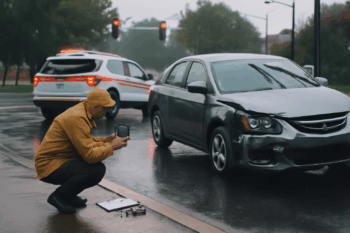
California is no stranger to sudden weather changes, and this can have a major impact on driving conditions. Heavy rains during the winter or spring months can lead to slick roads, limited visibility, and even flash floods. While drivers are expected to adjust their driving habits to these conditions, not all of them do. As a result, accidents happen when drivers fail to reduce speed or make necessary adjustments.
The rain increases stopping distances, makes turns more dangerous, and can cause cars to hydroplane on the wet road surface. This is especially true for drivers with worn-out tires or poorly maintained vehicles. When this happens, even a small amount of rain can lead to severe accidents. Understanding the challenges of driving in these conditions can help you collect the right evidence to prove liability in your case.
Founding Attorney
Timothy J. Ryan
Why Evidence Is Crucial After a Rain-Day Accident
After a rainy-day crash, the weather is often a key factor in the investigation of the accident. However, proving weather-related negligence or recklessness requires thorough documentation. Accidents involving rainy conditions are complex because they often involve several contributing factors: weather conditions, road surface conditions, driver behavior, and vehicle maintenance. Without the right evidence, it can be difficult to establish the full extent of the damages or identify who is at fault.
In such cases, having detailed and accurate evidence is essential. This will not only help establish liability but also ensure you receive the compensation you deserve for medical bills, property damage, and lost wages. Below is a guide to collecting the key pieces of evidence that will be critical to the success of your claim.
Photographs and Videos: Documenting the Accident Scene
One of the most effective ways to capture the details of an accident during stormy weather is through photos and videos. Visual documentation can provide clarity about the conditions at the time of the crash and how those conditions contributed to the accident.
Got a really bad head concussion and Timothy J. Ryan was amazing.” Tim helped me to stop stressing out about my case and focus my attention back on my work and family. Tim is one of the smartest men I have ever met. This personal injury law firm changed my life. They did not disappoint in any way. The entire office was professional and friendly! You can trust this firm. Highly recommend. ” - Flex Drill Tim is personable, knowledgeable in law and interested in you as a person, Tim stayed on top of my case and kept me updated frequently. His staff (Sose and Katelyn were outstanding and worked closely with me to get things done. I would recommend this law firm." - Leslie Bartimore Very efficient and professional personnel. Starting from the top to bottom. The experience was great. Being Hispanic was really happy seen how they were able to handle cases with all different ethnicities. The treatment I got from Tim and the legal assistant was beyond awesome. Super happy with the settlement and the outputs of my case. Thanks a lot Tim and Tania." - Rafael Sarabia
Road Conditions
Take multiple photos of the road conditions at the scene of the accident. In particular, you should focus on:
- Water accumulation: Rainwater can cause puddles and flooding on the roads, which can significantly reduce traction and make it difficult for vehicles to stop or steer.
- Slick surfaces: If the pavement is particularly slick, this could be a key factor in your claim. The photos should show areas where water or oil has made the surface hazardous.
- Traffic signs and lights: Take pictures of any traffic signs or signals, especially if visibility was affected by the rain or fog. If any signs were obscured by rain or debris, this may strengthen your case.
Vehicle Damage
Capturing clear photos of the damage to all vehicles involved in the crash is essential. The photos should show:
- Position of the vehicles: Wide-angle shots can show how the vehicles ended up after the accident, especially if they were pushed off the road or involved in a multi-car pileup.
- Specific damage areas: Focus on specific areas where the impact occurred. This can help establish how the crash happened and whether weather played a role in the collision.
Weather Conditions
It is crucial to show that the weather played a role in the crash. Use photos or videos to document the following:
- Rainfall intensity: Capture images of the rain or puddles to show the intensity of the storm at the time of the crash.
- Fog or low visibility: If fog or other weather factors limited visibility, it’s essential to demonstrate how this contributed to the accident.
Time and Date
Ensure that your photos or videos include a visible timestamp, especially if you can use your phone’s camera, which automatically records this data. This will help establish the exact time and date of the accident, which is essential for insurance purposes and any legal proceedings.
Gathering Witness Statements
Witness testimony can be incredibly valuable in a rain-day accident case. Eyewitnesses who saw the crash occur or observed the weather conditions leading up to the incident can provide crucial information.
- Eyewitnesses at the scene: Speak to anyone who was in the vicinity when the crash occurred. These individuals may have seen things from a different angle or been able to observe the actions of the other driver(s).
- Passenger statements: If you were a passenger in the vehicle, your statement could carry weight as well. Your perspective on the accident, combined with your observations of road conditions, can strengthen your claim.
Make sure to collect the names, phone numbers, and email addresses of all potential witnesses. If you can, ask them to write a brief statement detailing what they saw. This can help preserve their recollection of the event while it is still fresh in their minds.
Choosing a Personal Injury Attorney
Personal Injury Case Timeline
Related Videos
Police Reports: Official Documentation of the Crash
A police report is one of the most important pieces of documentation after any car accident. In the case of a rain-related crash, this report will often include crucial information about the road conditions, weather at the time of the accident, and an officer’s assessment of the cause of the crash.
- Request a copy of the report: Make sure to request a copy of the police report as soon as possible. The report should include details about the crash, the names of the parties involved, and any citations issued. If an officer believes the accident was caused by poor weather conditions or driver negligence, this will be reflected in the report.
- Investigation of conditions: If the officer noted the weather, road conditions, or visibility as contributing factors, this will strengthen your case.
Medical Records: Documenting the Injuries
If you were injured in the crash, your medical records will be critical in supporting your claim. Even if you do not feel injured right away, it’s essential to visit a healthcare provider. Many injuries, such as whiplash or muscle strains, may not show symptoms immediately.
- Immediate treatment: Seek medical attention right away, even if you feel fine. Injuries from weather-related crashes can sometimes worsen over time.
- Ongoing care: Keep track of all your medical visits, prescriptions, and treatment plans. These records will demonstrate the impact the accident has had on your life and can help determine compensation for pain and suffering.
Insurance Information: Filing a Claim
Collect the insurance details from all drivers involved in the crash. Make sure you exchange:
- Name, address, and phone number: The personal details of all drivers, passengers, and witnesses involved in the accident.
- Insurance policy number and provider: Ensure that you have the correct insurance details to file a claim. This includes the policy numbers of both your own insurance and the other party’s insurance.
- Vehicle registration and driver’s license details: These are critical when filing a claim or determining who is responsible for the damages.
Vehicle Maintenance Records (If Relevant)
If the accident occurred due to vehicle malfunction — for example, worn tires that couldn’t grip the wet road — maintenance records may come into play. These records can show whether the vehicle’s condition contributed to the crash.
- Check tire condition: If tires were bald or lacked tread, they may have contributed to the crash. Tires are a major factor in how a vehicle handles in wet conditions.
- Brake performance: If the vehicle had faulty brakes that contributed to the crash, maintenance records will be important to show how the vehicle’s failure to stop was exacerbated by the rain.
Why Collecting Evidence is Essential After a Rainy Accident
Rain-related accidents are not just a result of bad weather — they can often be caused or made worse by poor driving, negligence, and vehicle maintenance. Proper evidence collection can help you demonstrate the conditions that led to the crash and establish liability for your injuries and damages.
After gathering the necessary documentation, it’s crucial to consult with a knowledgeable personal injury attorney who can guide you through the process. At Timothy J. Ryan, we specialize in personal injury claims resulting from car accidents, including those caused by poor weather conditions. Our team can help you collect the right evidence and fight for the compensation you deserve.
To learn more about this subject click here: The Real Cost of “Minor” Car Accidents in California